Men’s and Women’s Competitions Conferences
Competitions Conferences: Setting a path to the future
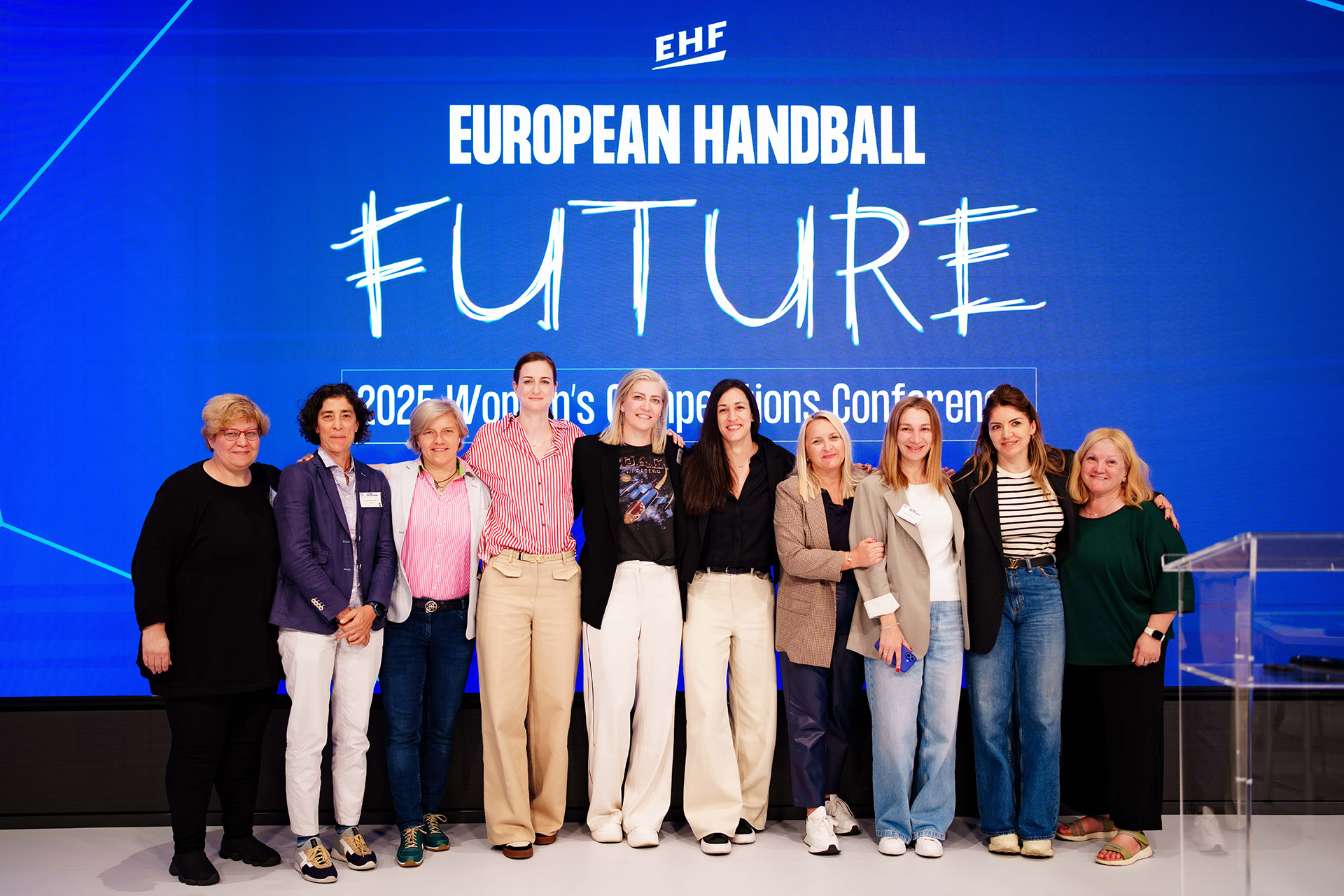
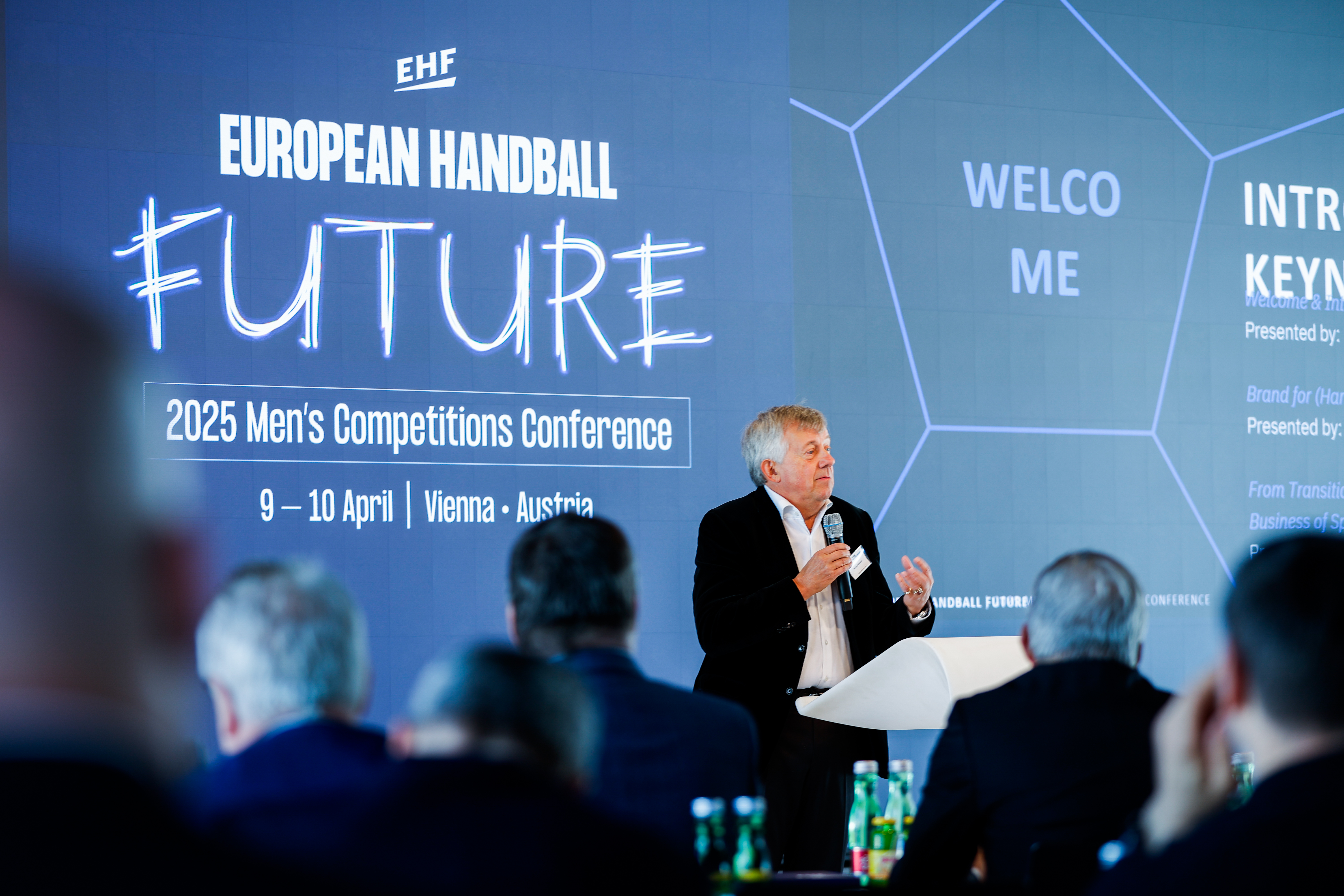
The EHF held conferences in April and May 2025 focusing on men’s and women’s competitions, respectively, with wide-ranging programmes looking at both national and club handball, and how to keep growing the sport. Both conferences were represented by all stakeholder groups, including active players and coaches.
Keynotes from Wiederer and Hausleitner
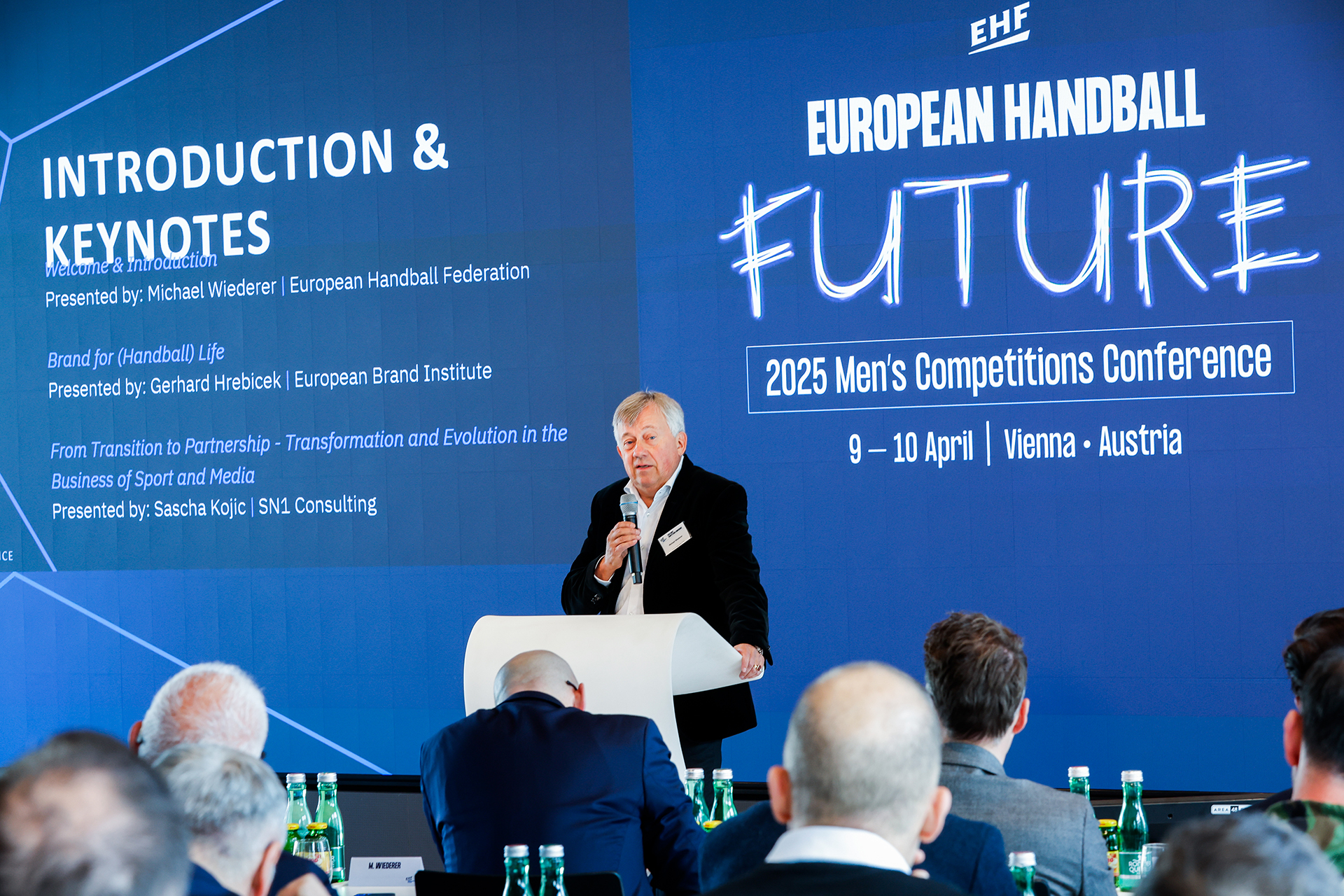
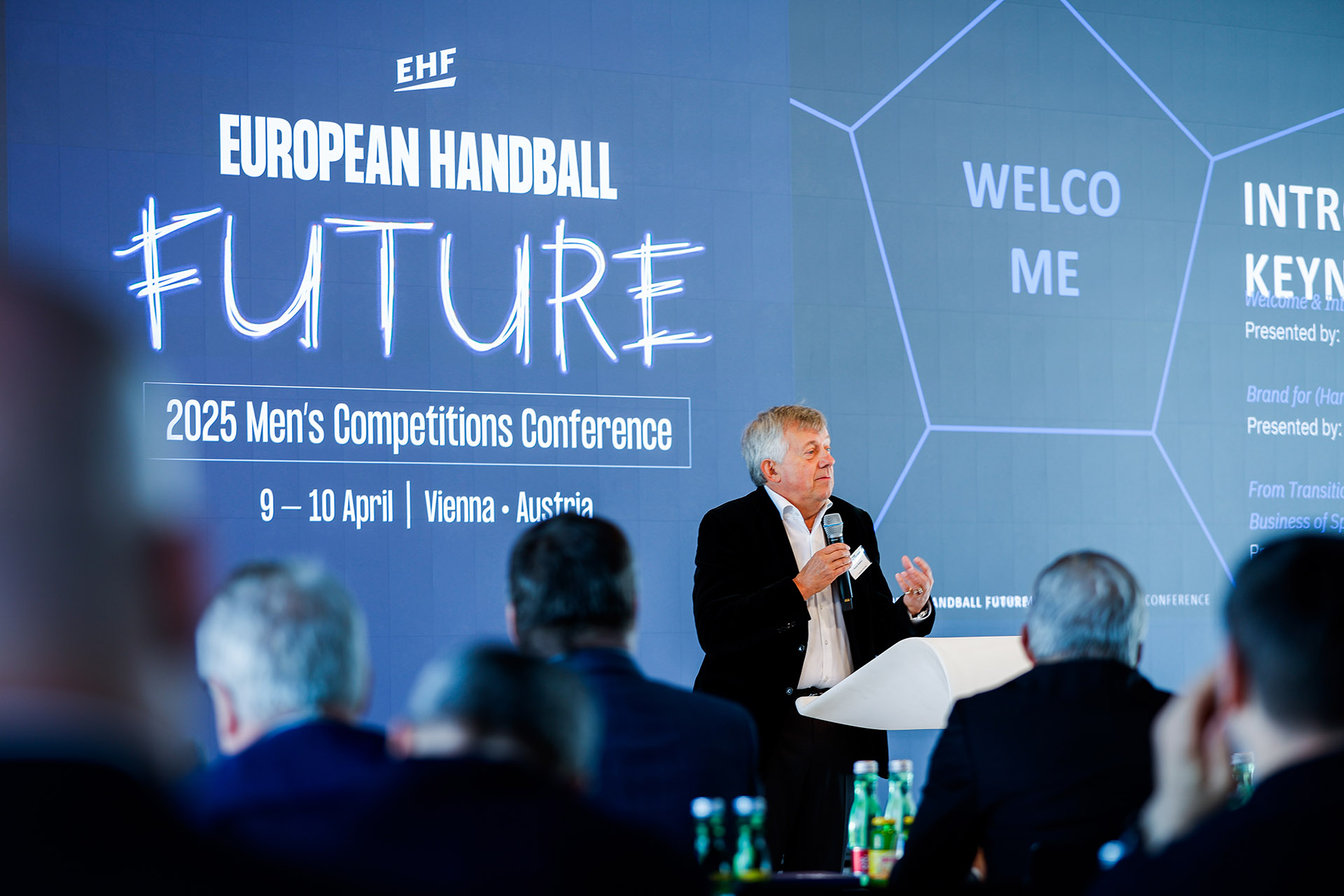
EHF President Michael Wiederer and Secretary General Martin Hausleitner gave keynote addresses at both conferences.
Wiederer underlined the importance of flagship events on top level for both national team and club competitions.
He said there was a need to look at the playing structures for club competitions — something which was discussed during breakout sessions by groups tasked with examining what handball has at the moment, what does it want and what is it able to have in the future.
Hausleitner focused on national team competitions, including the economic impact of the EHF EUROs and the benefits of the agreement signed in 2020 with the EHF’s exclusive media and marketing partner Infront.


Maintaining momentum
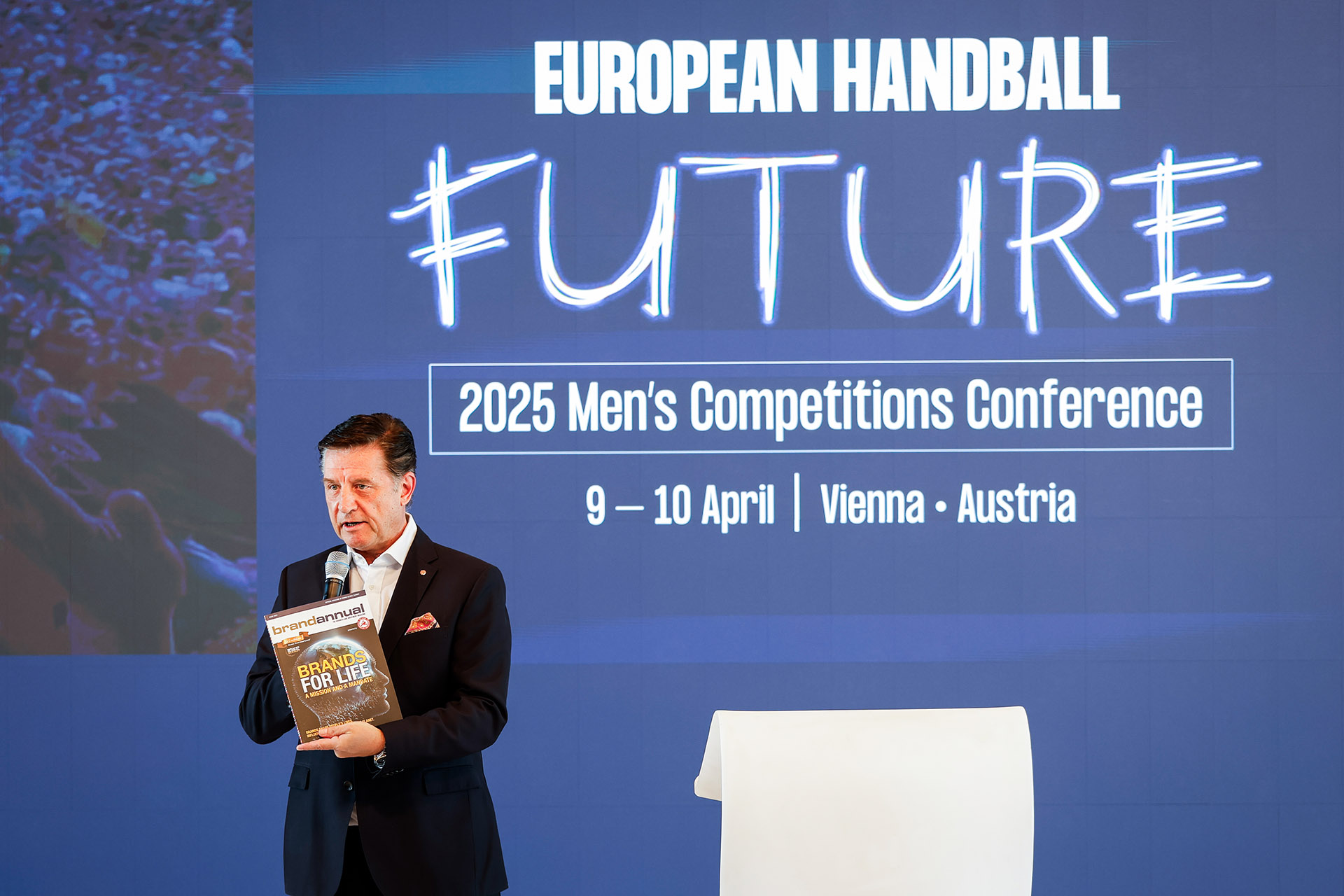
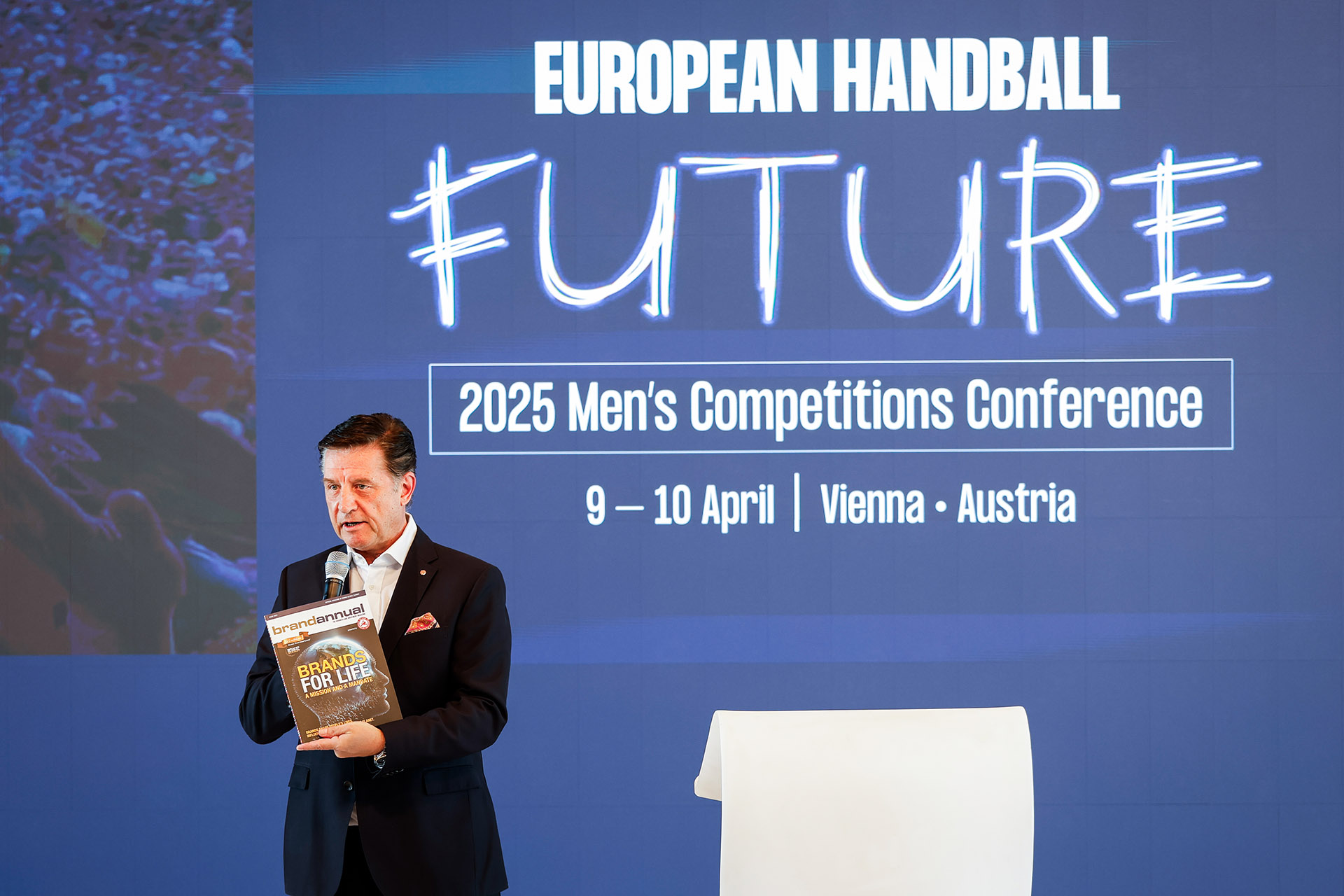
Among the other presentations at the Men’s Competitions Conference was the presentation of research by Prof. Dr. Gerhard Hrebicek of the European Brand Institute on the strength of handball as a brand.
Hrebicek said supporting a sports team often transcends social, economic, or cultural boundaries. In the context of European handball, this had created an opportunity to cultivate one of the most engaged ecosystems in the sporting world.
He added that since 2008, the advertising value of the sport has grown sevenfold, equating to a 12 per cent compound annual growth rate. However, handball needed to consolidate its brand to maintain this momentum and evolve its digital capabilities further.
Another keynote came from Jamie Pugh, Manager at the Sports Business Group of Deloitte, who highlighted the shifts sports organisations should embrace to remain relevant and resilient in a changing global market. Pugh warned that handball must adapt its competition structures, embrace digital, understand younger audiences, and lead with purpose — or risk being left behind.


Women’s sport changing the game
At the Women’s Competitions Conference, Deloitte knowledge and insights lead Jenny Haskel presented statistics showing the rapid growth of women’s sport in recent years. She said the journey to fandom for women was different to that of men, and this meant women’s sports needed to look at their commercial partnerships in fresh ways.
Lukas Zajancauskas, Commercial Director of boutique consultancy SN1, spoke about the changes to the global sports media rights market, which was slowing in a challenging macroeconomic climate amid shifts in media consumption following the Covid-19 pandemic. Zajancauskas said the EHF was ahead of the curve in some ways with its focus on quality rather than quantity, but said continued evolution was crucial to sustain this leading position.